PREMIUM: Slow law changes put stadiums and airports in the firing line for foreign drones

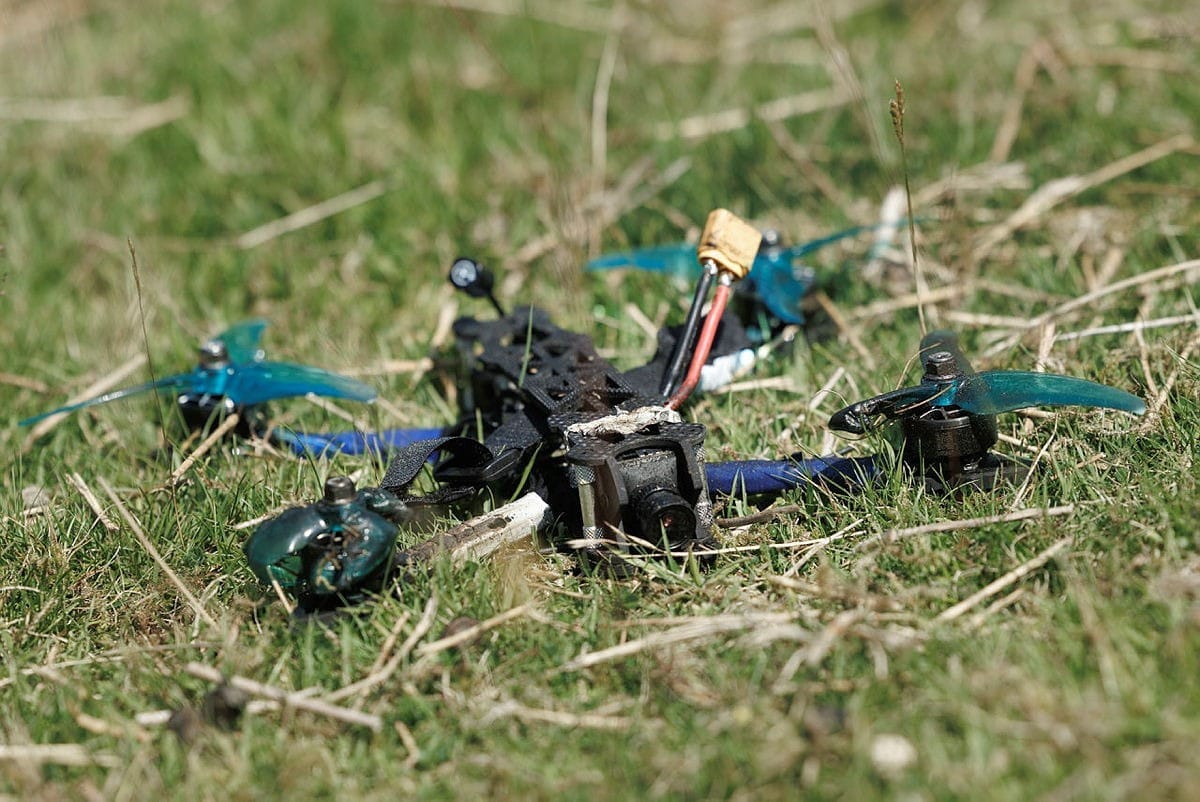
Anti-drone firms are in a cat-and-mouse game they risk losing if regulation doesn’t catch up with technology, a top supplier of unmanned aerial vehicle (UAV) detection measures has warned.
Firms tasked with detecting drone threats have to constantly update their systems as hobbyists, the arms industry and even terrorist groups update their designs to allow drones to evade detection and interception.
The sheer speed of the advances is part of the problem. Drone makers can turn a demand from a customer into a prototype in less than a month, then launch a production model four weeks later, according to Mark Legh-Smith, an executive at OSL Technologies, which provides integration for drone detection systems.
Meanwhile, in the UK there are three layers of rules and regulations security providers must navigate in order to counter drone threats. These are laws that protect flying aircraft, including drones; laws that prevent interfering with electromagnetic signals, including radio waves used to control drones, and regulations forbidding the destruction of private property.
“The pace of regulation changing to enable counter-drone systems is extremely slow because of the safety risk to aviation and manned space,” Legh-Smith said in an interview with Rearmament.